
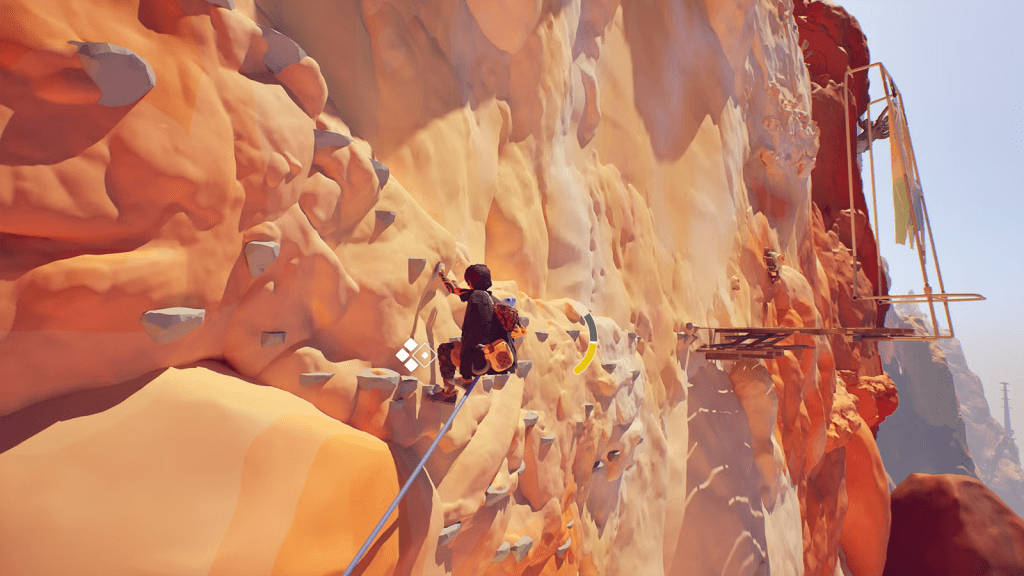
Climbing games hold a unique place in my heart, emphasizing vertical movement as both a challenge and a metaphor. Games like Jusant, Celeste, A Short Hike, and PEAK show that climbing can mean more than just moving through space; It becomes a way to engage, appreciate, and connect emotionally. This essay argues that the appeal of climbing games comes from three key design aspects: striking visuals and scale, hands-on interaction through mechanics, and a focus on mindfulness, such as being present, persistent, and managing emotions. Through these aspects, climbing games turn climbing into an experience that encourages reflection instead of the destination.
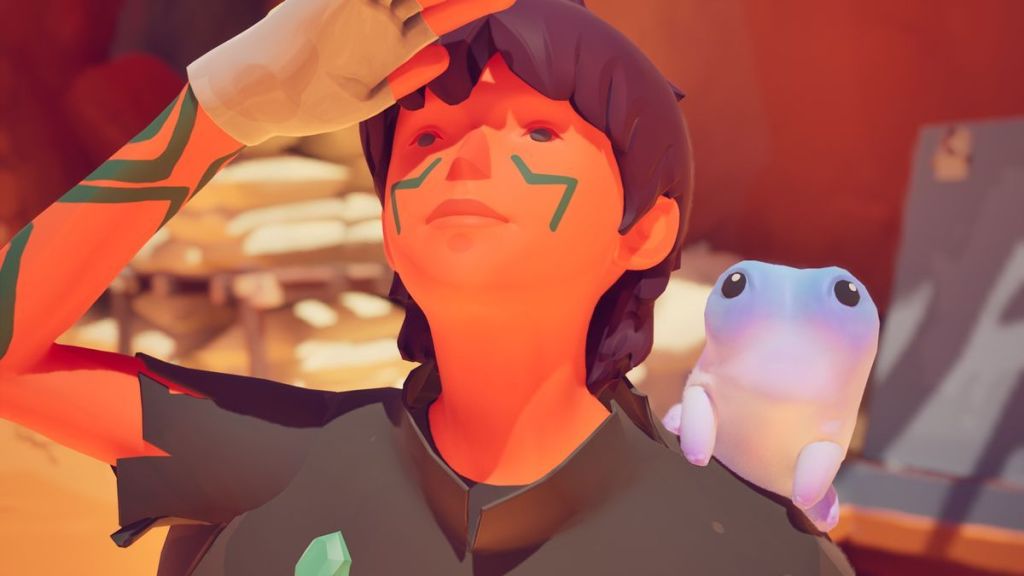
Climbing games create a unique visual style. They feature large spaces, vertical lines, and thoughtful color choices. In Jusant, tall structures rise through different biomes, offering clear views that highlight distance and solitude. Instead of cluttering the scene with too much detail, the game focuses on clear space and a calm & serene atmosphere. This design gives a feeling of openness that encourages players to contemplate. Rather than overwhelming players with visuals, the game invites them to pause, look around, and gradually understand their environment.
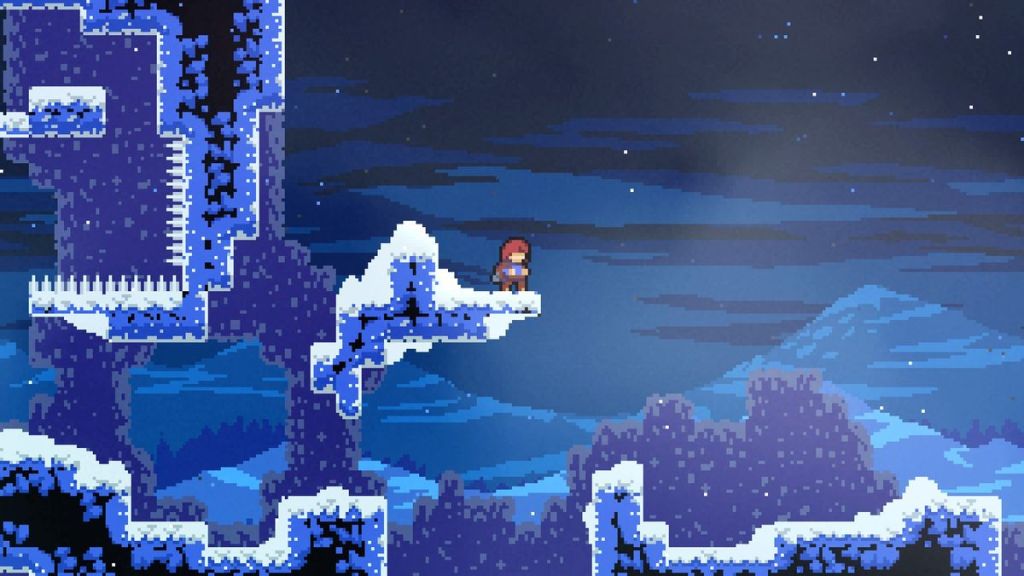
Celeste uses a unique approach with a clear pixel-art style that is both easy to read and emotionally engaging. Each chapter has different colors and visuals that reflect changes in the story. The mountain symbolizes both a challenge and inner conflict, while a game like ‘A Short Hike’ features warm colors and soft shapes, making its mountain feel welcoming and framing the climb as a gentle exploration instead of a serious struggle. Overall, the visual design enhances the emotional experience of the ascent.
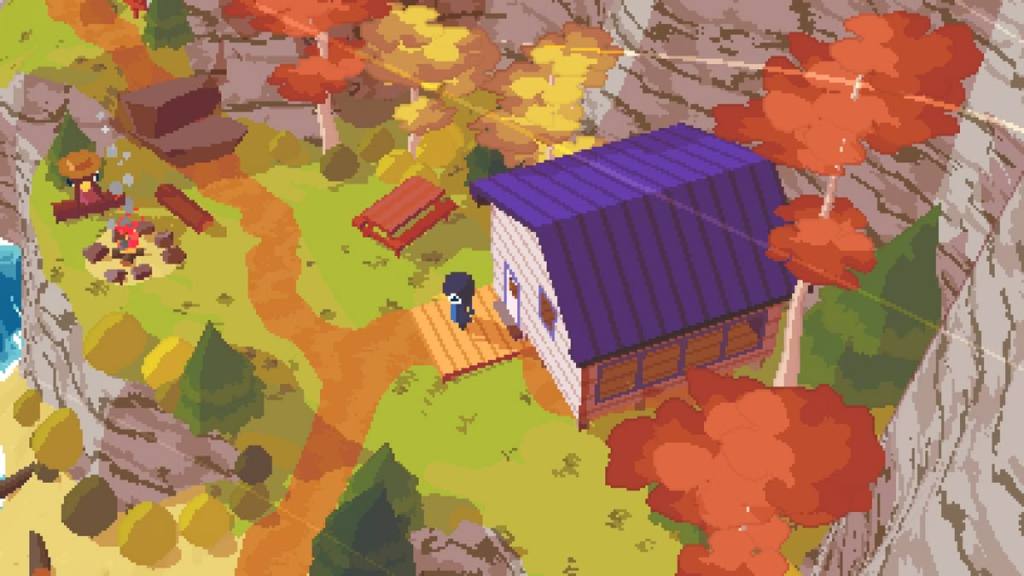
Climbing games stand out not just visually, but through how players interact with them. Unlike other movement systems that focus on speed or strength, climbing emphasizes friction, stamina, and positioning. Players need to be mindful of surfaces, spacing, and timing. Small mistakes can lead to quick failures, but these failures are usually easy to recover from. This design creates a close connection between what players want to do and what happens on-screen. Even though players use primarily a controller, the body is still central to the experience.
This concept has psychological effects. Climbing demands focus on the present moment. Players can’t just memorize or use reflexes; they need to constantly evaluate their position and next steps. This focus is similar to mindfulness practices, which emphasize being aware and returning to the task without judgment after mistakes has been made. When players fall, they aren’t punished with long delays but are encouraged to try again. Over time, this creates a steady pattern: attempt, fail, adjust, and keep going.
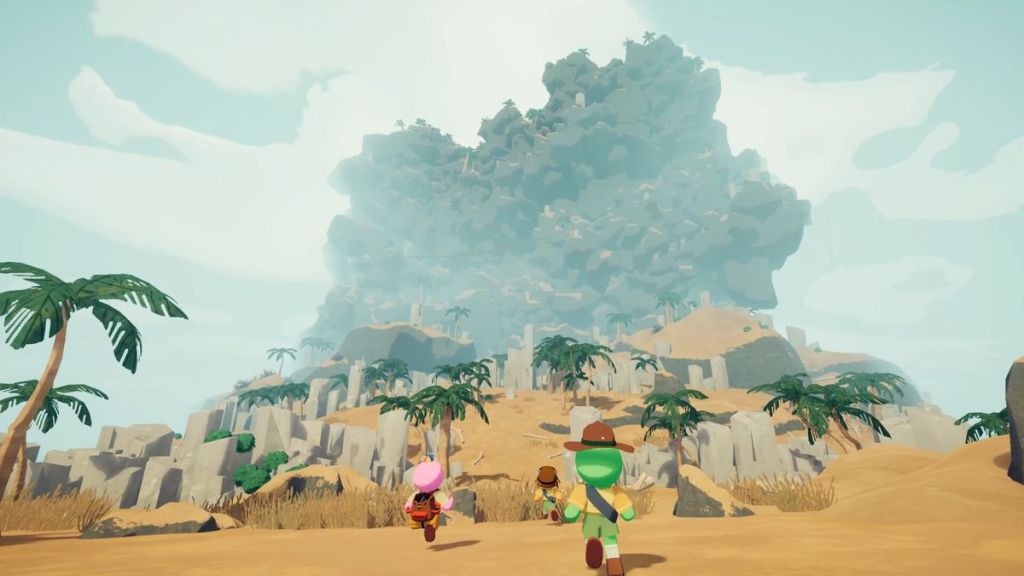
Celeste shows this idea with its quick respawn system. Death happens often but is easy to deal with. Instead of seeing failure as a problem, the game presents it as a chance to try again. This mindset encourages players to keep going without making it a big deal. Success adds up instead of being a single moment. Jusant also lets players go at their own speed, reducing outside pressure. A game like ‘PEAK’ takes physical interaction into social play, where working together and timing matter for climbing. Here, the body is both individual and together, building a sense of shared vulnerability and trust in its players.
The design of climbing games enhances their thoughtful nature. Instead of promoting power fantasies, these games focus on the player’s undivided attention. Success is defined not by collecting resources but by gradually improving movement skills. This aligns with self-determination theory, especially the ideas of competence and autonomy. Players feel capable through learning and have the freedom to choose their path upward through seamless agency.

Climbing games often represent internal feelings through the environment. In Celeste, the mountain reflects anxiety and self-doubt. In Jusant, the ruins and worn paths highlight themes of loss and ecological decline. A Short Hike presents its peak as a simple personal goal instead of a grand adventure. These ideas aren’t explained in long narratives but are shown through the experience of moving through the game. Meaning comes from the journey itself.
The beauty of climbing games is not just in what we see but in how they are built. They create moments where we need to focus, be patient, and show vulnerability. This leads to a calm experience instead of a flashy one. While other genres often encourage conquering space, climbing games reward finding a way to coexist with it. The mountain is not something to defeat but a presence to understand fully.
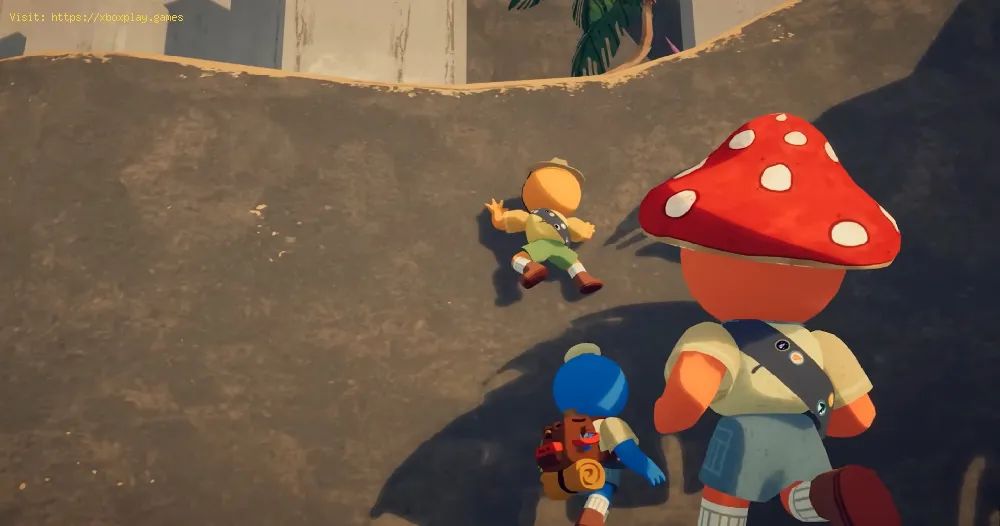
This orientation shows why climbing games can feel emotionally refreshing. Their pacing, feedback, and simple visuals help players enter a relaxed flow state. These flow states are calm and focused, not driven by adrenaline. The joy comes from the connection: between what players want to do and how they move, between the rhythm and the surroundings, and between effort and progress.
Climbing games can be seen as interactive reflections on effort. They reveal a simple fact: real progress is usually slow and repetitive. The summit is important, but not just as a prize; it gives context to the journey. The climb itself is the main focus.

In conclusion, climbing games are powerful because they combine striking visuals, engaging mechanics, and thoughtful design. Games like Jusant, Celeste, A Short Hike, and even PEAK show that moving upward can be a meaningful experience, turning gameplay into a form of reflection. The charm of this genre is in its slow pace. By encouraging players to ascend one careful step at a time, climbing games express a simple idea: being present is progress, and sometimes just going up is enough.
-Dogopoyo \>.</
 DOGOPOYO