
An Essay on How the Worlds We Explore Shape Our Lives
When the moon reaches its peak, some of us transport ourselves into countless worlds at the touch of our fingertips, seated in the comfort of our little desks in dimly lit rooms—places where the world around us dissolves, and we fully immerse ourselves in the glow of a brightly lit screen. There is something quietly compelling about entering a world where fantasy becomes momentarily inhabitable—a space in which anxieties are suspended and identity becomes temporarily fluid. The buzzing and humming of our gaming machines booting up, the anticipation of colours flooding the screen, and the quiet comforting escapism evoke a feeling of familiarity for many: the wonder of rushing home from school as a child or returning from a long day of work. Virtual worlds beckon us to lose ourselves for a period of time. From childhood memories to adulthood rituals, these spaces continue to captivate us. For many contemporary generations, growing up no longer occurred solely within classrooms, neighbourhoods, or family homes, but equally within digital environments inhabited through screens, avatars, and online communities. Experiences formed within these worlds frequently extend beyond entertainment itself, influencing how individuals remember the past, understand themselves, and cultivate relationships with others. Examining virtual worlds therefore offers insight not only into gaming culture, but into broader questions concerning place, identity, and belonging within an increasingly digital society.
Virtual worlds persist as emotionally meaningful environments through which nostalgia, identity formation, and social belonging are experienced, revealing how virtual spaces quietly shape memory, selfhood and human connection. In doing so, they challenge conventional assumptions that meaningful places must be physical, demonstrating instead that digital environments can become significant sites of psychological development and cultural belonging. More significantly, virtual worlds reveal a broader truth about human experience itself: meaningful places are not defined by physical geography alone, but by the memories, identities, and relationships cultivated within them. In this sense, virtual environments challenge traditional distinctions between the virtual and the real, demonstrating how human beings continue to create attachment, belonging, and meaning across increasingly digital landscapes.
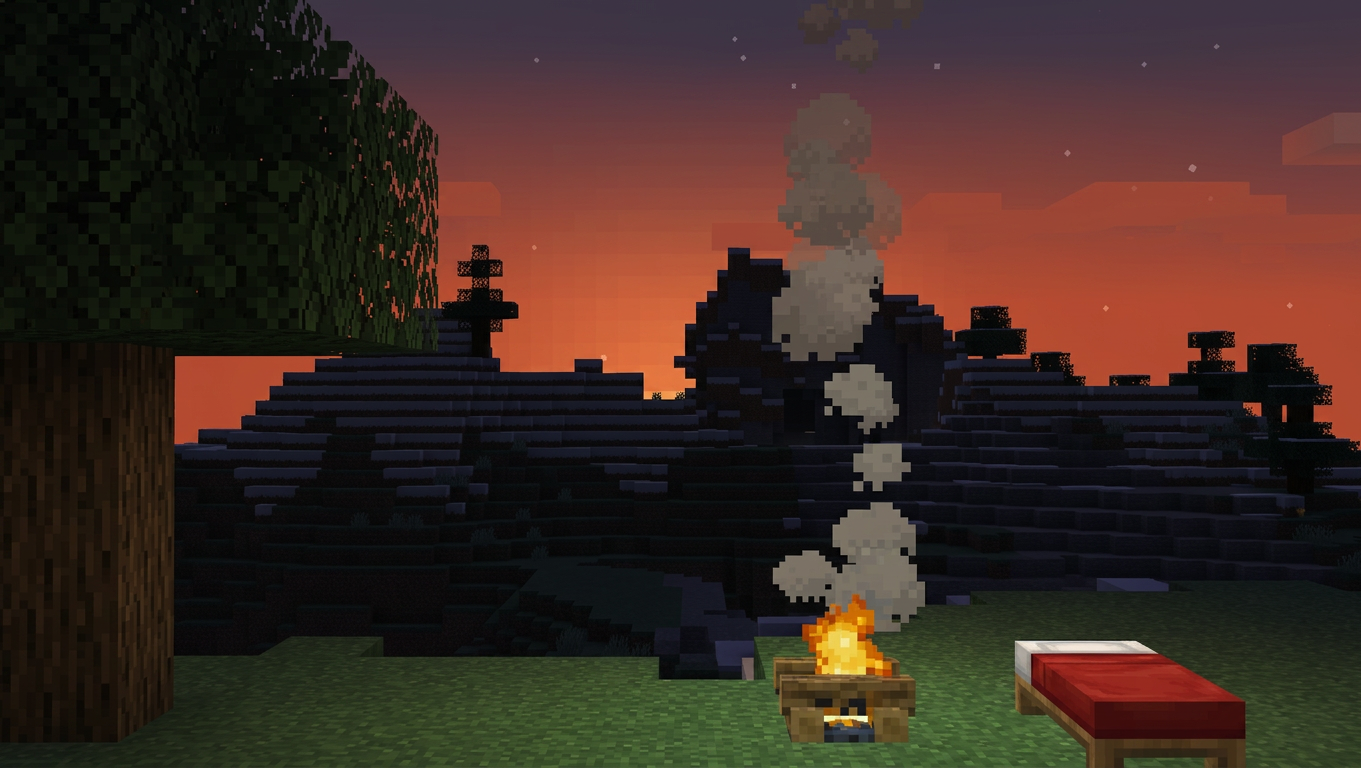
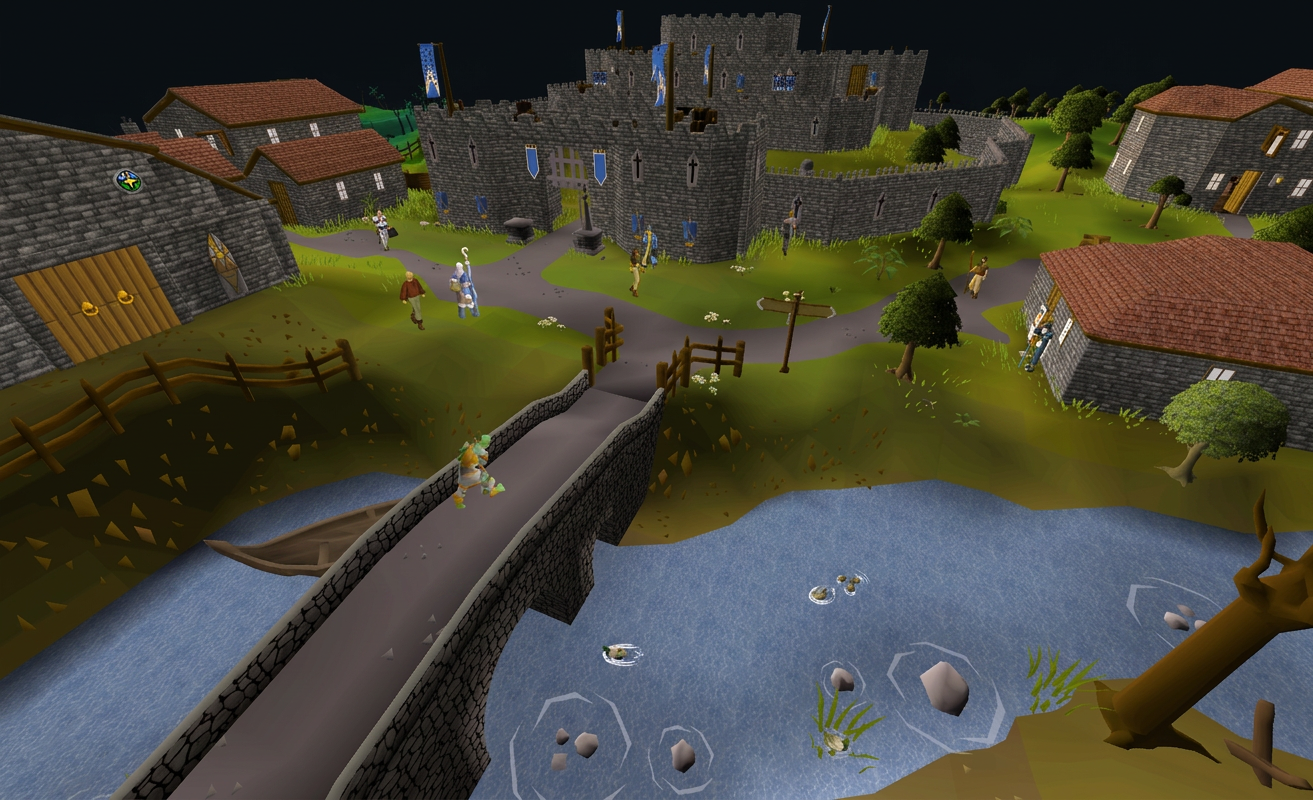
The familiar hum of a console booting up once signalled something strangely sacred: temporary departure from the anxieties and stress of everyday life. Such seemingly ordinary rituals reveal something psychologically significant: the emotional permanence of digital environments rarely emerges through spectacle alone, but through repeated familiarity. Digital environments become emotionally significant not merely because they entertain us, but because repeated sensory and emotional exposure gradually transforms them into autobiographical memory. Research into autobiographical memory suggests emotionally salient and repeatedly encountered experiences become increasingly encoded through ritualised exposure over time. Psychologists have long recognised that memory functions less as a recording device than as an act of reconstruction. Rather than faithfully preserving the past, individuals continuously reinterpret previous experiences through present emotional frameworks. Consequently, nostalgia surrounding virtual environments often reflects not merely remembrance of a game itself, but remembrance of a particular period of life, transforming digital environments into symbolic containers for personal history. The psychological significance of these rituals lies in their predictability: repeated exposure transforms otherwise mundane experiences into emotionally stabilising routines, allowing virtual environments to feel familiar, comforting, and personally meaningful places. In games such as Old School RuneScape, familiar login screens, looping ambient tracks, and repetitive skilling routines become emotionally memorable through habitual interaction, transforming seemingly mundane repetition into ritual. The enduring popularity of Old School RuneScape itself illustrates this phenomenon. Players frequently return not because the mechanics remain technologically impressive, but because the game functions as a repository of accumulated memory. Revisiting familiar locations such as Lumbridge or Varrock often evokes recollections extending far beyond gameplay, including friendships, routines, and life circumstances associated with earlier periods of development. The emotional durability of these mundane moments suggests nostalgia emerges less through singular spectacles than through accumulated ritual, as repeated interaction quietly transforms virtual environments into emotional reference points for continuity, comfort, and self-reflection. Such an interpretation echoes Svetlana Boym’s conceptualisation of nostalgia as an interpretative reconstruction rather than a faithful return to the past. This helps explain why virtual memories often feel emotionally heightened in retrospect. The significance of this observation extends beyond gaming itself. Nostalgia surrounding online worlds demonstrates how memory functions less as a record of events and more as a process through which individuals construct continuity between who they once were and who they have become. These environments therefore reveal something larger than entertainment; these spaces function as emotional archives through which earlier versions of the self remain psychologically accessible, allowing memory, identity, and emotional continuity to persist across time. Unlike physical environments, many digital landscapes remain remarkably unchanged while the individuals who inhabit them continue to grow older. Returning to a familiar digital landscape therefore creates a rare encounter between past and present selves, allowing players to simultaneously revisit preserved environments and reflect upon their personal development across time. In this respect, nostalgia surrounding virtual worlds differs from many other forms of remembrance. Players do not merely recall the past; they often re-enter environments that have remained recognisably intact, allowing memory to become spatially experienced rather than simply mentally reconstructed. In this sense, mediated spaces possess an unusual psychological permanence: while players themselves inevitably change, the environments they return to often remain frozen in time, transforming nostalgia into an encounter not merely with memory, but with previous versions of the self. In few other spaces are individuals able to revisit environments that remain seemingly unchanged while confronting the quiet reality of their own transformation.
Yet remembering virtual environments is only part of the story, for many of us grew up not solely within classrooms, bedrooms, or schoolyards, but equally within online worlds where we slowly rehearsed versions of who we wished to become. Through repeated participation, digital landscapes become symbolic spaces in which selfhood is not simply expressed, but gradually constructed. During adolescence, a period marked by uncertainty and self-discovery, digital spaces often become safe environments for trying on identities before fully understanding who we are. Whether through selecting character classes, customising avatars, or performing social roles within multiplayer communities, players frequently engage in forms of self-expression that subtly reflect personal values and aspirations. A player assuming the role of a healer responsible for supporting teammates, a guild leader coordinating dozens of participants, or an individual expressing aspects of personality through avatar customisation all engage in forms of social performance that extend beyond gameplay mechanics. These repeated performances frequently allow individuals to experiment with leadership, creativity, empathy, and self-expression in ways that later influence offline identity. Such experiences challenge traditional understandings of identity as something fixed or waiting to be discovered. Instead, digital environments suggest identity emerges through an ongoing process of experimentation, interaction, and reflection, allowing individuals to actively participate in the construction of selfhood. Viewed through Erikson’s framework, virtual worlds function not merely as sites of entertainment but as developmental spaces in which identity is actively negotiated. Turkle similarly argues that digital environments enable experimentation with multiple versions of the self; however, contemporary virtual worlds suggest this experimentation often extends beyond temporary performances. Through repeated participation, virtual identities increasingly become integrated into online self-understanding, blurring the distinction between who individuals are online and who they become beyond the screen. In this respect, digital environments function not merely as spaces of self-expression but as environments of self-production. Through repeated participation, individuals do not simply reveal who they are; they gradually become who they are. Consequently, virtual selfhood is no longer merely an alternative identity but often becomes integrated into how individuals understand and present themselves within everyday life. The significance of these experiences lies not in the fantasy itself, but in how repeated interaction quietly transforms experimentation into familiarity, allowing players to recognise aspects of themselves through virtual participation. For marginalised individuals in particular, digital environments frequently provide opportunities to explore aspects of identity that may feel constrained within offline contexts, highlighting the unique capacity of digital spaces to facilitate self-discovery. In this sense, virtual spaces function less as escapes from reality and more as quiet laboratories of becoming. This interpretation aligns with humanistic geographer Yi-Fu Tuan’s distinction between space and place, whereby environments acquire significance through lived experience and emotional investment. This observation ultimately challenges assumptions that digital environments are somehow less authentic than physical places. If, as Tuan argues, place emerges through lived experience and emotional investment, then the significance of virtual worlds derives not from their material form but from the meanings cultivated within them. The distinction between physical and digital space therefore becomes less important than the human experiences through which both become places. Taken alongside Oldenburg’s conception of third places, this suggests digital spaces function not merely as digital environments, but as socially meaningful places through which identity, memory, and community become intertwined. However, digital selfhood did not emerge in isolation; rather, it was shaped through communities, friendships, and forms of mediated communication. If mediated spaces gradually shaped who we became, they also transformed how we learned to communicate, collaborate, and cultivate belonging within increasingly mediated environments.

Despite stereotypes of gaming as isolating, many virtual environments functioned as profoundly social environments through which friendships, cooperation, and community quietly flourished. For many players, the emotional significance of virtual landscapes emerged not only through solitary immersion, but through the countless moments of shared humour, confusion, cooperation, and companionship encountered within them. Many of these connections emerged gradually, through ordinary acts of repeated presence: helping unfamiliar players to solve obstacles, sharing jokes during long sessions, or quietly returning to the same virtual communities night after night. The social significance of these spaces lies in their ability to create repeated forms of interaction, allowing familiarity, trust, and shared meaning to develop gradually over time. What made these communities significant was not simply that they enabled interaction, but that they provided continuity of presence. Seeing the same names appear night after night gradually transformed unfamiliar individuals into familiar figures, allowing belonging to emerge through repeated participation rather than deliberate relationship-building. The limited accessibility of information in earlier virtual environments often encouraged collaboration, requiring players to rely upon shared knowledge, discussion, and communal problem-solving. Similarly, Henry Jenkins’ concept of participatory culture helps explain how virtual communities generate collective meaning through collaboration, shared knowledge, and social participation. Consequently, the value of virtual communities lies not simply in their existence, but in their ability to transform participation into social identity. Through shared practices, collective knowledge, and collaborative achievement, individuals come to understand themselves not merely as players, but as members of communities. The significance of these earlier virtual communities becomes increasingly apparent when contrasted with contemporary social media platforms. Whereas many modern platforms prioritise visibility, performance, and algorithmic engagement, virtual worlds often foster belonging through shared activity, encouraging relationships to develop through participation rather than self-presentation. In many respects, virtual worlds increasingly resemble what sociologist Ray Oldenburg described as ‘Third places’: informal social environments separate from home and work where community, belonging, and social identity emerge through repeated interaction. Their significance is perhaps even more pronounced for contemporary generations experiencing increasing social fragmentation and declining participation in traditional community spaces. As physical third places become less accessible, virtual worlds increasingly fulfil comparable social functions, providing environments through which belonging and community can continue to emerge. The importance of these experiences lies not simply in social interaction itself, but in how repeated communication gradually transforms virtual spaces into emotionally meaningful sites of belonging. Virtual worlds therefore matter socially not because they replace human connection, but because they quietly reshape the environments through which trust, familiarity, and belonging are experienced. Yet the significance of virtual worlds should not be romanticised uncritically. The same social environments capable of fostering belonging may also reproduce exclusion, dependency, or emotional displacement, particularly when virtual connection substitutes rather than supplements offline social relationships. Their significance therefore lies not in any inherent virtue, but in how they reveal the evolving ways human beings negotiate attachment, identity, and belonging within increasingly mediated social life. Taken together, nostalgia, identity formation, and belonging reveal that the significance of virtual worlds lies not within the technology itself, but within their capacity to facilitate fundamentally human processes of remembering, becoming, and connecting. Viewed collectively, these themes suggest the enduring significance of virtual worlds lies not in technological innovation itself, but in their capacity to facilitate the same psychological and social processes that have historically defined meaningful human places.

Virtual worlds often appear temporary by design, spaces entered through glowing screens and quietly left behind once the console powers down or the game closes. Yet their emotional permanence reveals something far more meaningful than simple entertainment. Across nostalgia, identity, and social connection, virtual environments become psychologically and culturally significant not because they allow us to escape reality, but because they quietly shape how memory, selfhood, and belonging are experienced. The nostalgia attached to virtual worlds rarely emerges through grand spectacles alone, but through the repeated rituals that accompanied them: familiar login screens, ambient soundtracks drifting softly in the background, late-night adventures, or the anticipation of returning to places that once felt endless. Through repetition, these environments become emotionally encoded, functioning as emotional archives through which earlier versions of ourselves remain momentarily accessible. In remembering these worlds, we are perhaps not simply remembering games, but fragments of who we once were. Equally significant is how inhabiting virtual worlds contributed to the gradual formation of identity and connection. Somewhere between experimentation, mediated interaction, and shared participation, these spaces became quiet laboratories of becoming: environments where personality, humour, values, and belonging could slowly take shape. Through repeated communication, cooperation, and companionship, virtual worlds also transformed strangers into communities and interaction into emotional familiarity. When the screen eventually dims and the world around us returns, something nevertheless remains: a familiar melody suddenly remembered years later, the memory of a forgotten username, or the feeling of revisiting a world once inhabited as a child. Virtual worlds may be virtual, yet the memories, identities, and connections formed within them remain profoundly human—quiet reminders of who we were, who we became, and the people we encountered along the way. Perhaps the enduring significance of virtual worlds reveals something larger than digital culture alone. Human beings have always sought places in which memory, identity, and community can flourish. Whether these environments emerge through physical landscapes, neighbourhood gathering spaces, or digitally constructed worlds rendered through pixels and code is ultimately secondary. What matters is the meaning invested within them. Virtual worlds therefore challenge traditional distinctions between the ‘real’ and the ‘virtual’—reminding us that places become significant not because they physically exist, but because they become woven into the stories through which we understand ourselves. In this respect, virtual worlds reveal not a departure from ordinary human experience, but a continuation of it—new environments through which enduring psychological needs for memory, identity, and belonging continue to unfold. Ultimately, the significance of virtual worlds extends beyond digital culture alone. Their enduring appeal reveals a broader truth about human experience: people become attached not to places themselves, but to the memories, identities, and relationships cultivated within them. Whether rendered through streets, classrooms, neighbourhood gathering spaces, or landscapes composed of pixels and code, the environments that shape us ultimately become chapters in the stories through which we learn who we are.
-Dogopoyo \>.</

